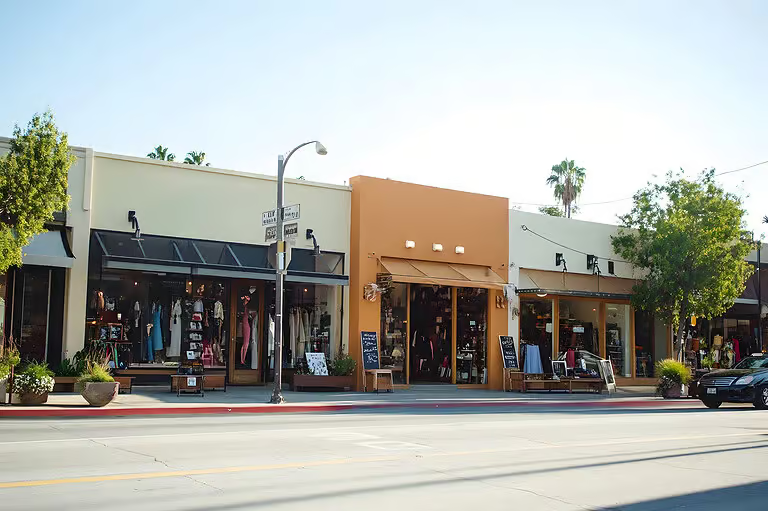


Recyk et Frip serves the port city of Sept-Iles on Quebec’s Cote-Nord, a region better known for its iron ore shipping terminals and long winters than for its shopping scene, but one that still supports a small and loyal secondhand economy. As the name itself signals, blending the French words for recycling and friperie, or thrift shop, this is a secondhand clothing and goods retailer built around the idea of giving used items a second life rather than sending them to the curb. That framing places it squarely within a growing movement across smaller Quebec communities where locally run thrift shops fill a gap left by the scarcity of big chain consignment stores this far up the North Shore.
Public information about the shop’s exact hours, current address, and day to day inventory is limited, and rather than guess at specifics that cannot be confirmed, this description sticks to what is verifiable: Recyk et Frip is a Sept-Iles based secondhand retailer operating under a name that plainly advertises its reuse and recycling mission. Shops like this typically build their stock from community donations and consignment arrangements, turning over clothing, small household items, and other gently used goods that might otherwise be discarded. For a city the size of Sept-Iles, a local friperie plays an outsized role, offering residents an affordable alternative to full price retail while giving unwanted belongings a second chance rather than a trip to the regional landfill.
Shopping secondhand in a remote regional center like Sept-Iles also carries a practical logistics benefit that shoppers in larger cities sometimes take for granted. Freight costs and limited retail competition can push new merchandise prices higher the farther a community sits from major distribution hubs, and a thrift shop helps soften that gap by recirculating goods that are already in the local supply. Community members looking to furnish an apartment, dress a growing family, or simply find a bargain without driving hours south to a bigger city have long relied on shops of this kind to stretch a household budget further. Buying secondhand also keeps textiles and household goods out of the waste stream in a region where landfill capacity and transport distances make every diversion count.
Anyone interested in visiting Recyk et Frip or confirming current hours and stock is best served by checking the business’s own social media presence directly, since posted hours and inventory at small independent thrift shops can shift with the seasons and with staffing. What can be said with confidence is that the shop represents exactly the kind of community fixture that keeps a regional economy resilient: a locally run outlet where Sept-Iles residents can drop off what they no longer need and pick up something useful in return, all without goods having to travel far. In short, Recyk et Frip is a Sept-Iles secondhand and recycling focused shop that gives Cote-Nord residents an affordable, sustainable alternative to buying new.