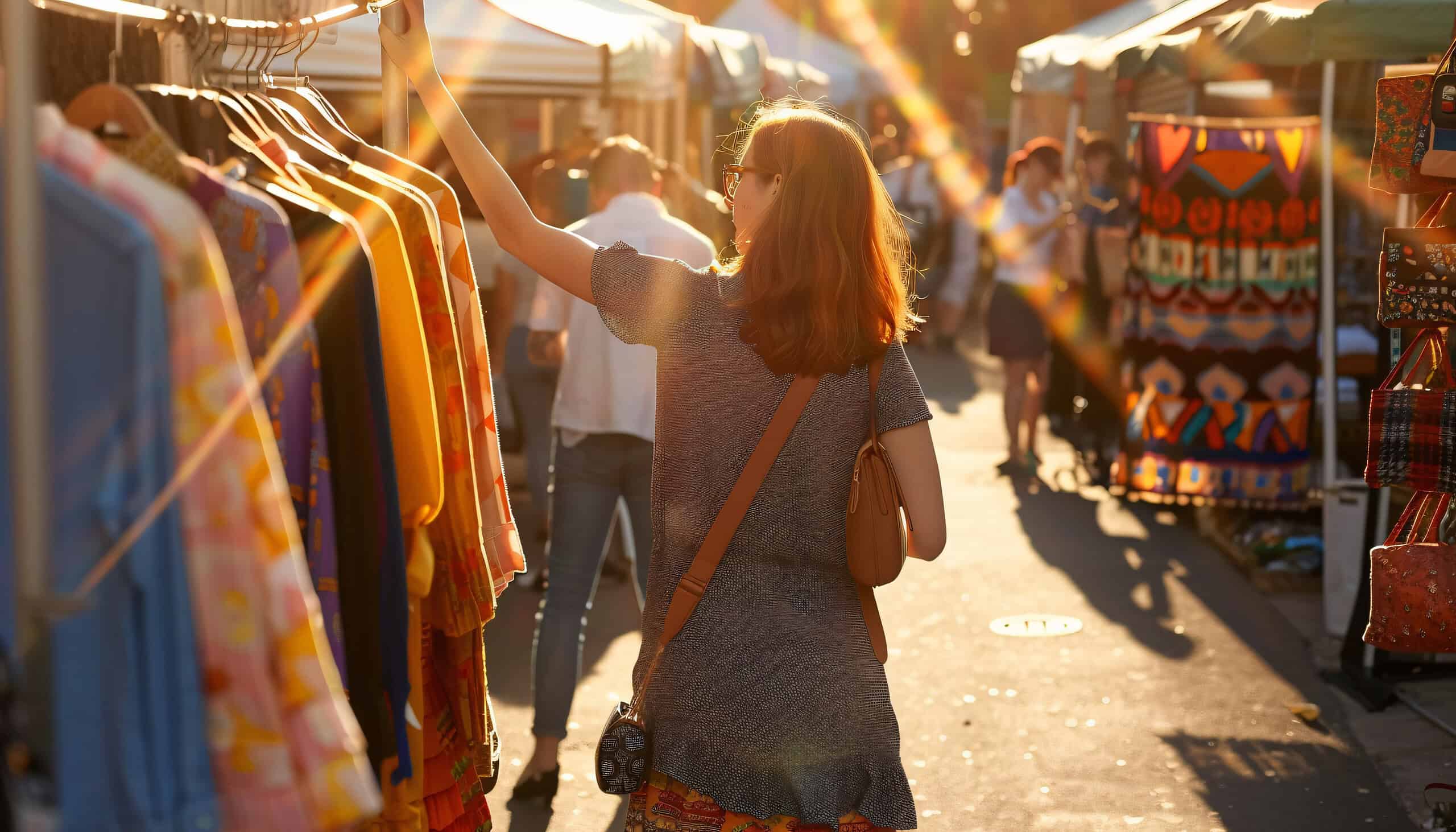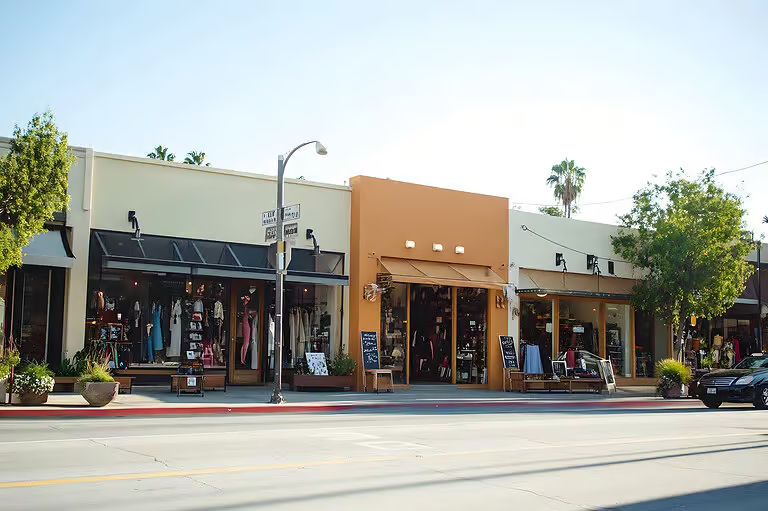


In Notre-Dame-du-Nord, a small municipality perched on the eastern shore of Lake Temiskaming in the Abitibi-Temiscamingue region, Friperie du Nord serves as the towns local secondhand clothing shop. Like many small-town friperies across rural Quebec, it fills a role that a big-box retailer simply cannot in a community of this size: a nearby, walkable place where residents can find affordable, gently used clothing for adults and children without driving to a larger regional center. The business keeps its customers informed primarily through its Facebook page, where updates on new stock, seasonal changes, and community notices circulate to a local following rather than through a standalone commercial website, a common and practical setup for small resale shops operating in low-population municipalities far from the provinces major retail corridors.
Notre-Dame-du-Nord itself sits close to the Ontario border, part of the Temiscamingue regional county municipality, an area historically built around forestry, agriculture, and the lake that gives the region its name. Small businesses here tend to double as informal community hubs, and a secondhand clothing shop is exactly the kind of low-cost, practical resource that keeps money and usable goods circulating locally rather than routing residents toward distant chain stores. For families managing a budget, or for anyone simply looking to refresh a wardrobe without paying new-clothing prices, a friperie like this one offers a straightforward alternative built on the basic economics of reuse.
What sets a shop like Friperie du Nord apart from a faceless online resale platform is its rootedness in a specific, small place. Its customer base is largely local, its inventory changes with donations and consignments from the surrounding community, and its presence is sustained through word of mouth and social media rather than advertising budgets. That kind of shop tends to reflect the town around it: practical, unpretentious, and geared toward genuine everyday need rather than curated vintage resale aimed at collectors from outside the area.
For anyone in Notre-Dame-du-Nord or the surrounding Temiscamingue communities looking for secondhand clothing, checking the shops Facebook page remains the most direct way to see current offerings, ask about specific sizes, or confirm when the shop is open, since day-to-day details are shared there rather than on a separate site. Visitors passing through the region on the shore of Lake Temiskaming, whether for the lake itself or for business in the surrounding forestry and agricultural communities, can treat a stop at the local friperie as a small, practical errand alongside anything else that brings them to town.
For shoppers who value knowing exactly where their money goes, a small operation like this one offers a level of transparency that larger regional retailers rarely can, since the shop, its customers, and its donors are often the same handful of neighbors supporting one another across different roles at different times of year.
In short, Friperie du Nord is Notre-Dame-du-Nords own secondhand clothing shop, a community-rooted resource for affordable, reused apparel in a small Temiscamingue municipality along Lake Temiskaming.