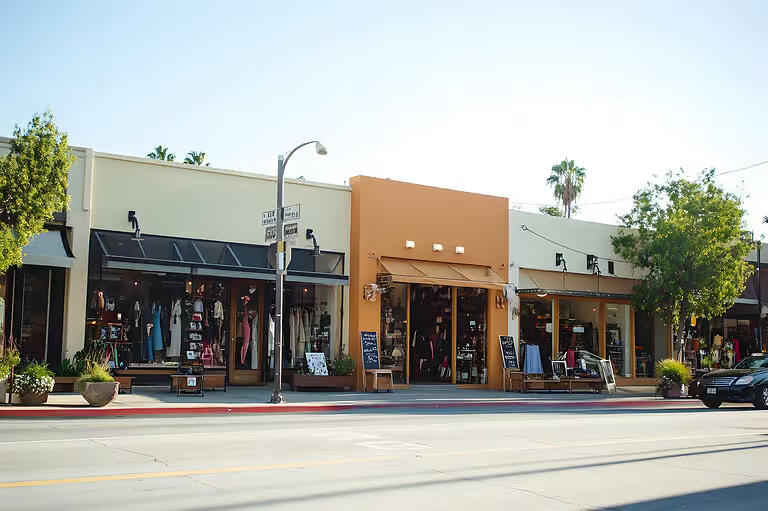


On Willow Street in Winsted, Connecticut, a small volunteer-run shop does double duty as both a neighborhood thrift store and a fundraising engine for community health services. Registered under the fuller name Auxiliary for Community Health Thrift Shop, the store at 120 Willow Street sells secondhand clothing, housewares, and a rotating mix of pre-loved, donated goods, with proceeds channeled back toward supporting community health programs rather than into a private owner’s pocket. That auxiliary structure, common among hospital and health-service support organizations across New England, sets this shop apart from a typical for-profit vintage or resale boutique, and it gives shoppers a reason beyond bargain-hunting to stop in.
The shop keeps a schedule built around weekday convenience with a shorter Saturday morning window. Doors are open Monday through Friday from 10am to 4pm, then again Saturday from 9:30am to noon, a pattern that suggests a store staffed largely by volunteers who can commit to weekday shifts but keep the weekend visit brief. For shoppers, that means Saturday trips should be planned early, since the shop closes by lunchtime, while any weekday works for a longer, unhurried browse through the racks and shelves.
Winsted sits in the Litchfield Hills of northwestern Connecticut, a former mill town along the Mad and Still Rivers known for its rugged, small-town New England character and its role as a hub for the surrounding hill towns. A thrift shop supporting community health fits naturally into that kind of close-knit town, where local nonprofits and volunteer auxiliaries often fill gaps left by larger regional health systems. Shoppers can expect the kind of mixed, ever-changing inventory typical of donation-based thrift stores: clothing for adults and children, kitchenware, small furniture pieces, books, and household odds and ends, priced well below retail and turned over regularly as new donations arrive and older stock sells.
Because everything on the racks comes from community donations, the exact selection on any given day is unpredictable, which is part of the draw for regular thrift shoppers who like to check back often rather than expect the same items twice. It also means the shop depends on a steady stream of donated goods from Winsted-area households, making it as much a recycling point for gently used belongings as a retail destination. Anyone with items to donate or questions about drop-off hours is encouraged to call ahead, since a volunteer-run operation on a part-time schedule may have specific days set aside for accepting donations separate from shopping hours.
For visitors exploring Winsted’s small downtown, the Auxiliary for Community Health Thrift Shop offers an easy, low-cost stop that combines secondhand shopping with a direct, tangible link to local health causes. Unlike big chain resale stores, every dollar spent here supports a specific community mission rather than corporate overhead, a distinction increasingly valued by shoppers who want their secondhand spending to do double duty. The shop’s weekday-plus-short-Saturday hours also make it approachable for people running errands rather than dedicating an entire day to thrifting.
In short, Auxiliary Thrift Shop in Winsted, Connecticut, is a volunteer-run secondhand store whose sales support community health programs, open weekdays from 10am to 4pm and Saturday mornings until noon at 120 Willow Street.